Personal project · Concept
ASAP.
After-Sales Portal. A concept platform that keeps consumers connected to warranty and service, from the moment of purchase to the day they need to claim.
An appliance is an investment, and manufacturers attach policies and service plans to the things we buy. But those certificates arrive in every format imaginable, each with its own terms and its own required actions, and there is no market standard for keeping track of them. When something breaks, finding the paper is only the first step of a frustrating after-sales journey.
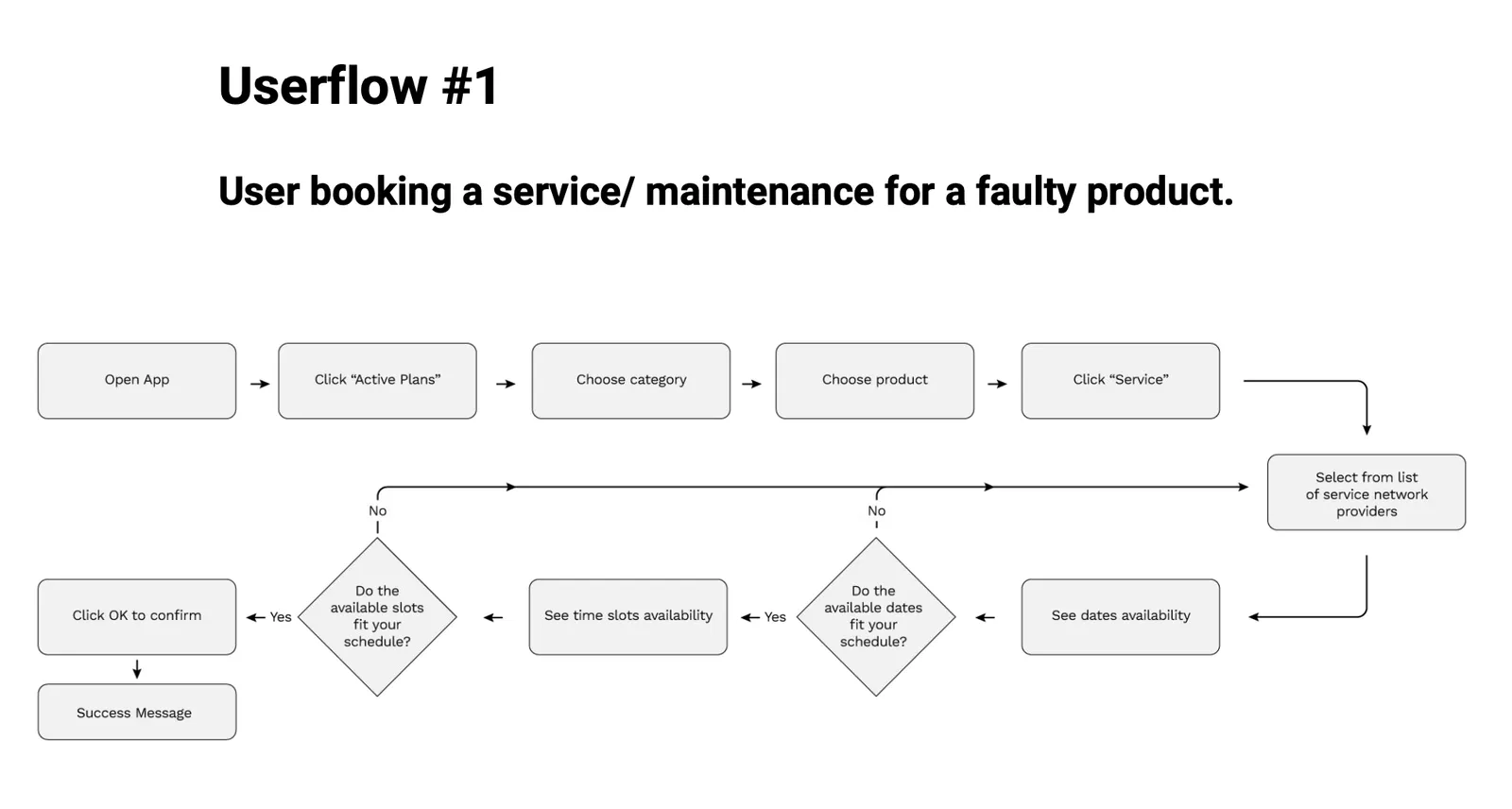
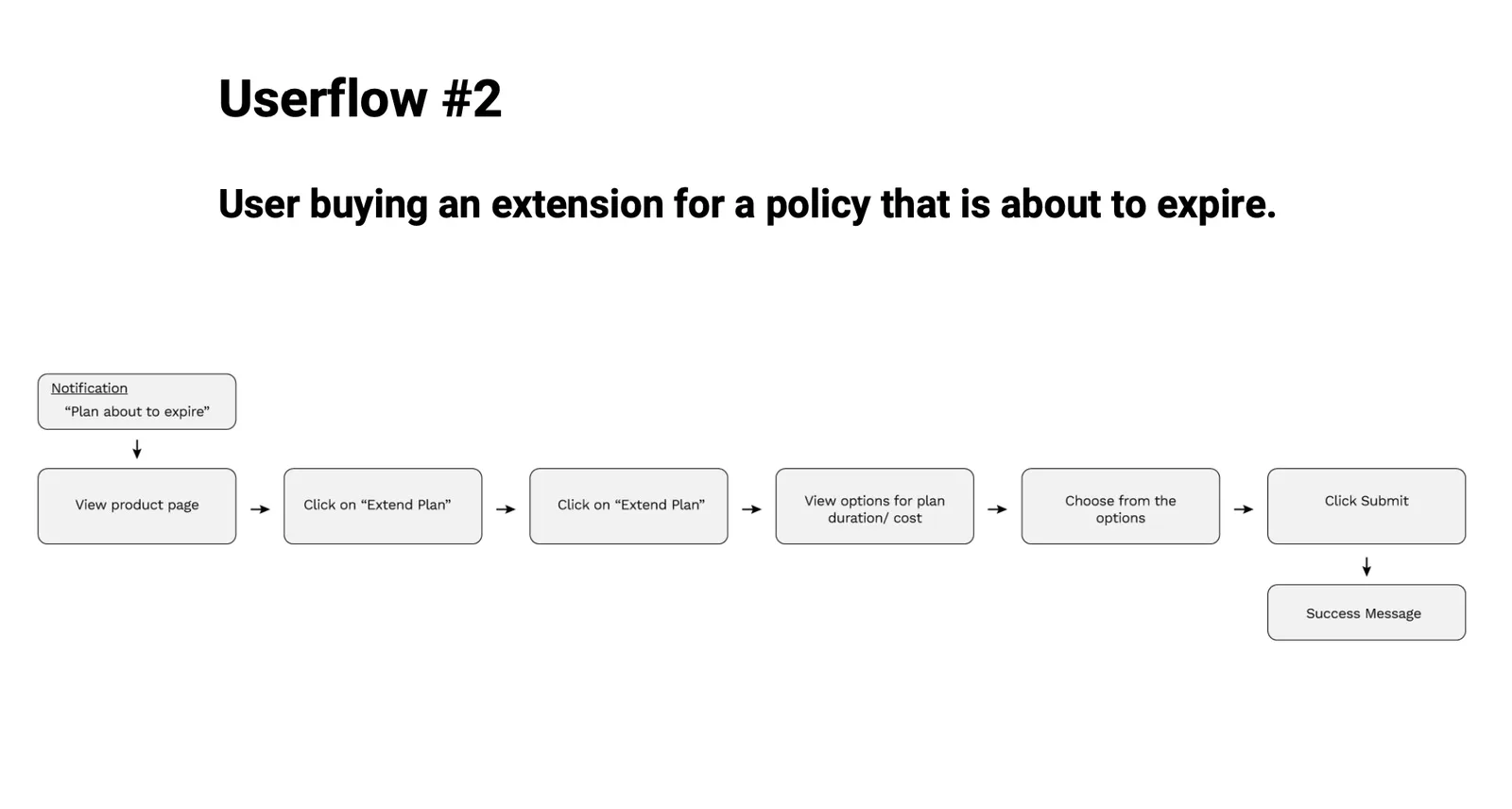
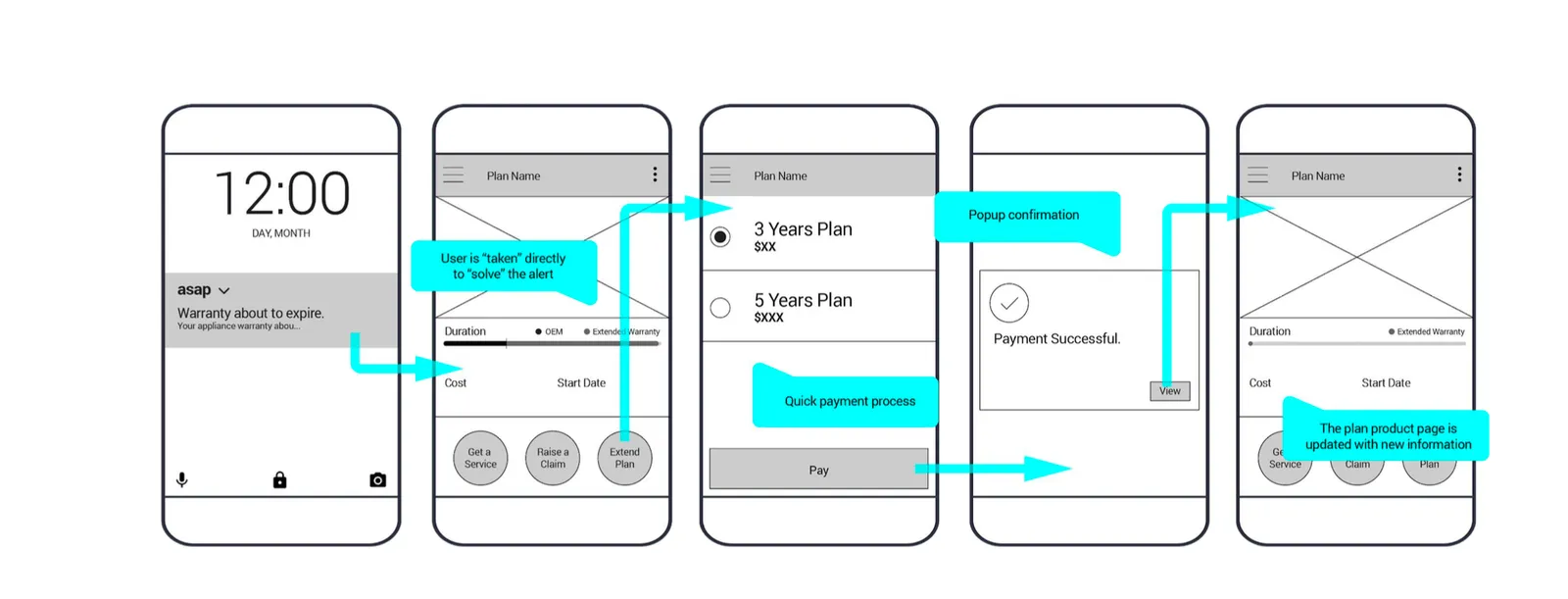
ASAP proposes a single platform that keeps a consumer close and up to date. It reads online and offline purchase data, pairs it with policy data, and gives a clear view of a plan's lifespan and whether a replacement is claimable. Coverage can be extended, deactivated, or reactivated. It connects users to the right service network, schedules an appointment or pickup, and raises the trust value between consumers, manufacturers, and repairers, which reflects back on the platform itself.
- People avoid using their warranties
- Claims feel like a hassle, not a help
- Many would rather lose the cash than wait
- Validity is forgotten quickly
- Warranties are often distrusted
- The OEM's default cover is usually enough
- Call-centre claims breed uncertainty
- Success hinges on the human touch
- Extended warranties are uncommon
- Value rises with the price of the item
- Lifetime cover tempts, but brand matters more
- Managing policy info has to feel desirable
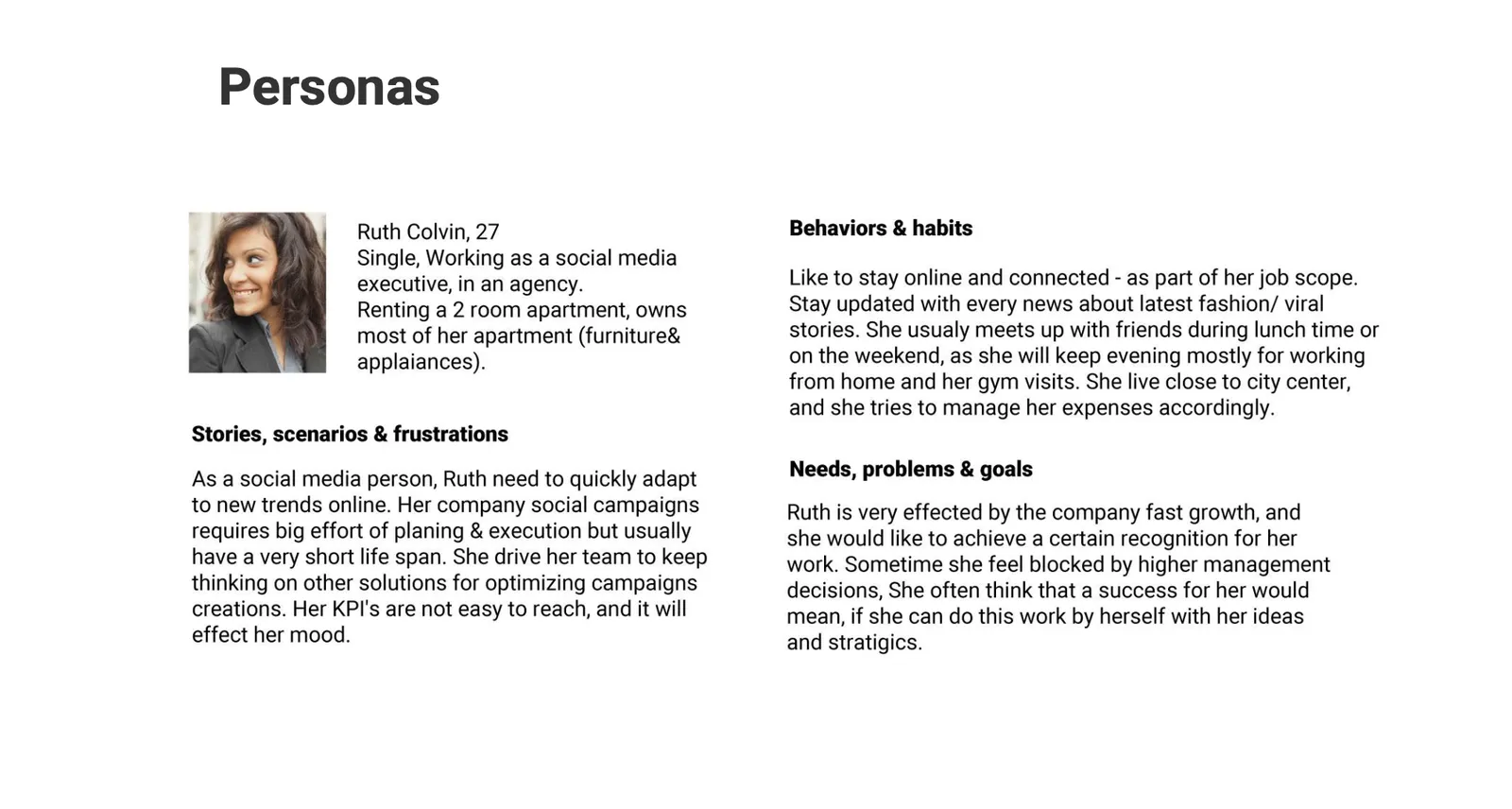
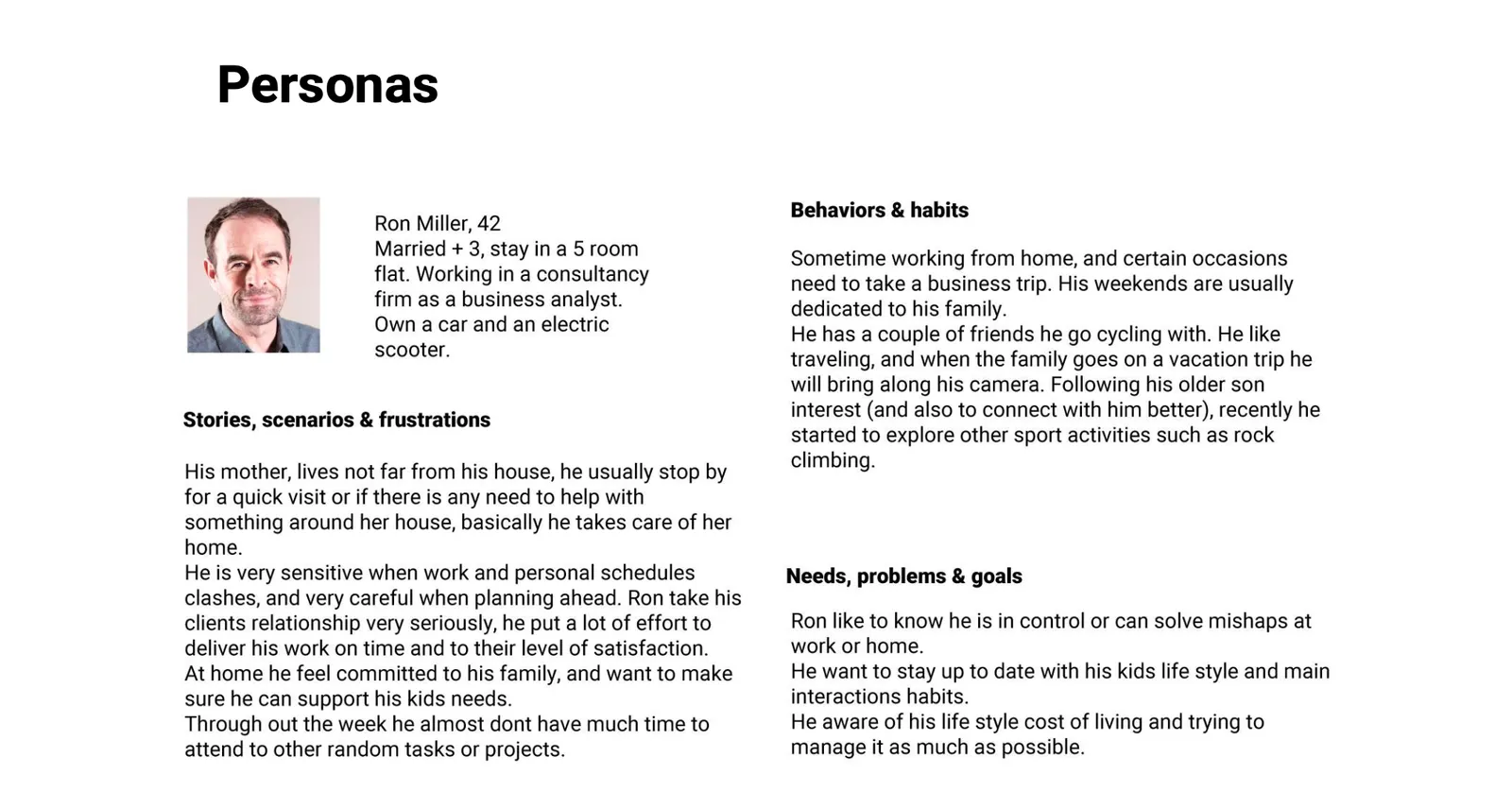
The platform is aimed at those who choose products based on how they will fit into their life, not only on trend. It works well for homeowners, who manage both a house and a family and are always balancing private life. When they need an after-sales solution for a fault or accident, having the relevant information accessible with ease is exactly when it becomes valuable.
The service depends on cooperation between OEMs, service networks, and a facilitator of warranty services, so it cannot run well without the right partners. The most crucial move is capturing purchase data, online or offline, and holding it in a way users experience as memorable. Because people rarely seek help right after buying, this suits a two-phase development.
Policy & product data collection
The most crucial step of all. Recording every relevant detail is lengthy, so a genuine breakthrough here is what success depends on.
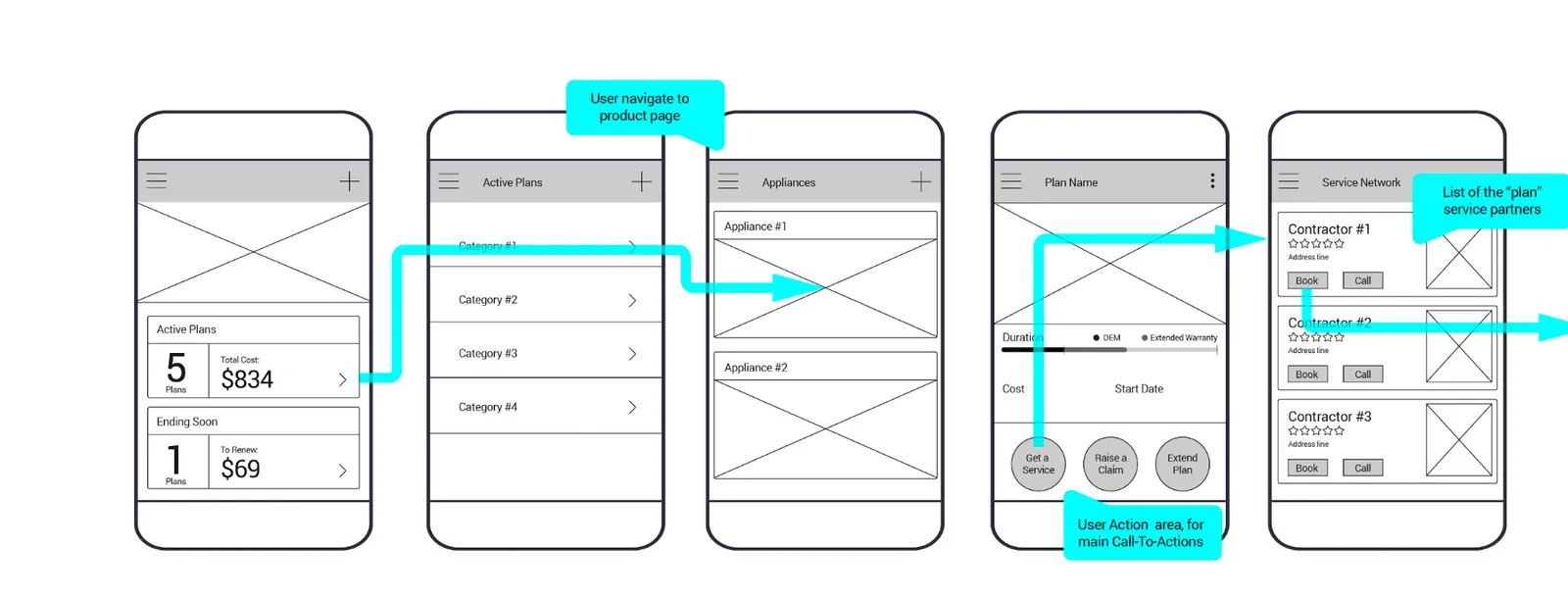
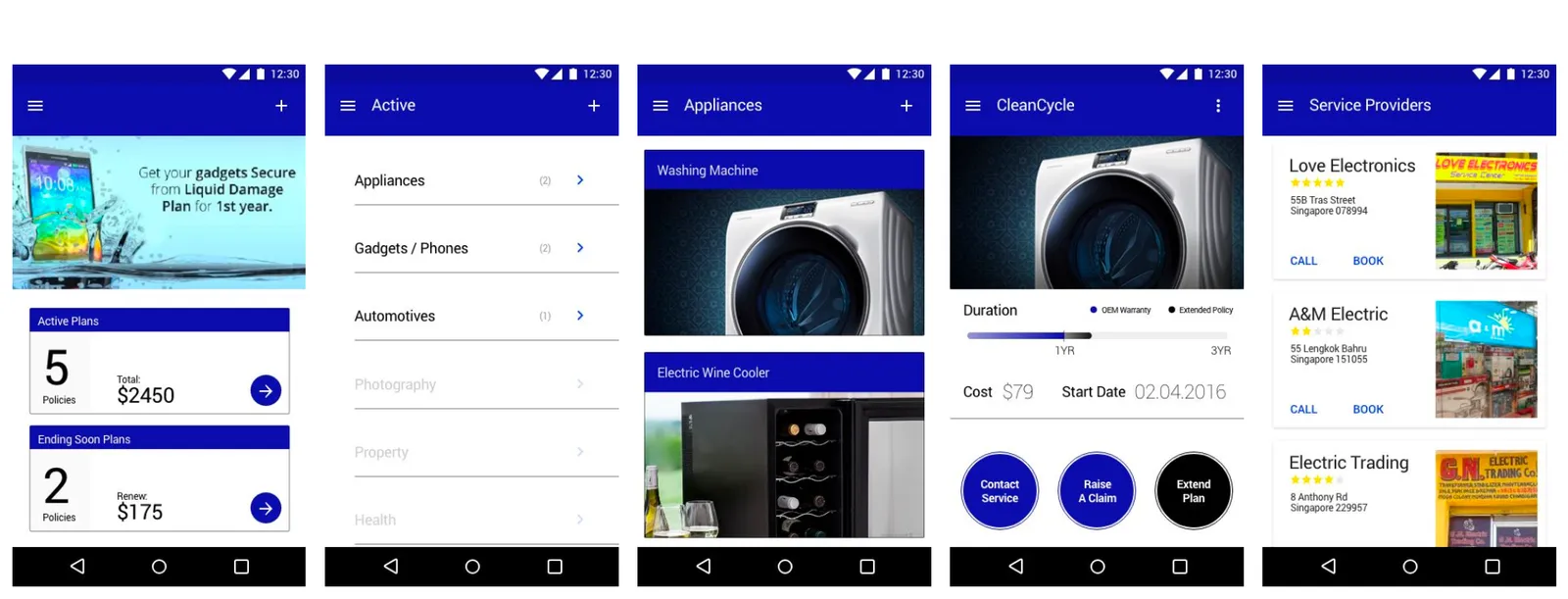
Dashboard view
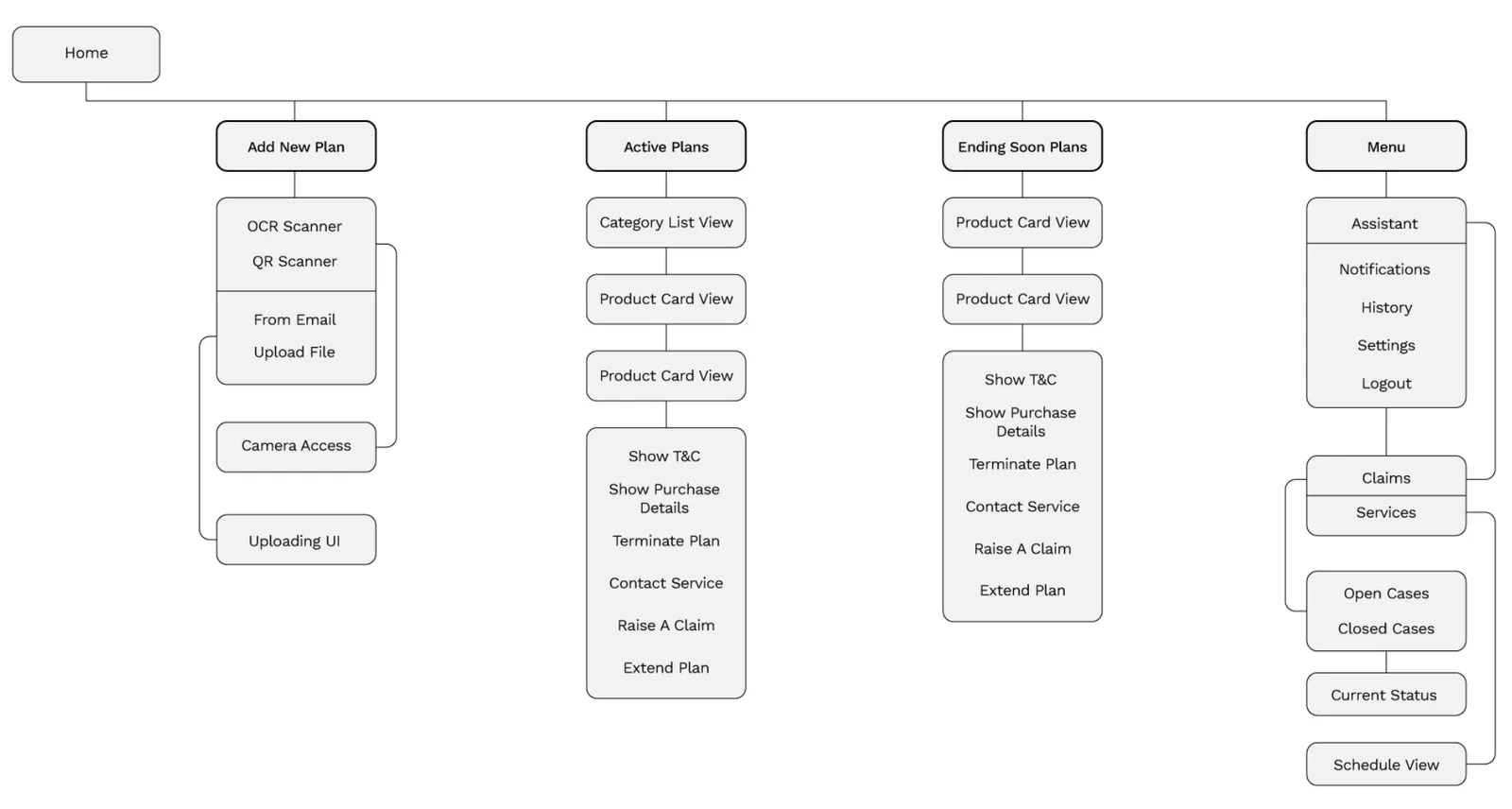
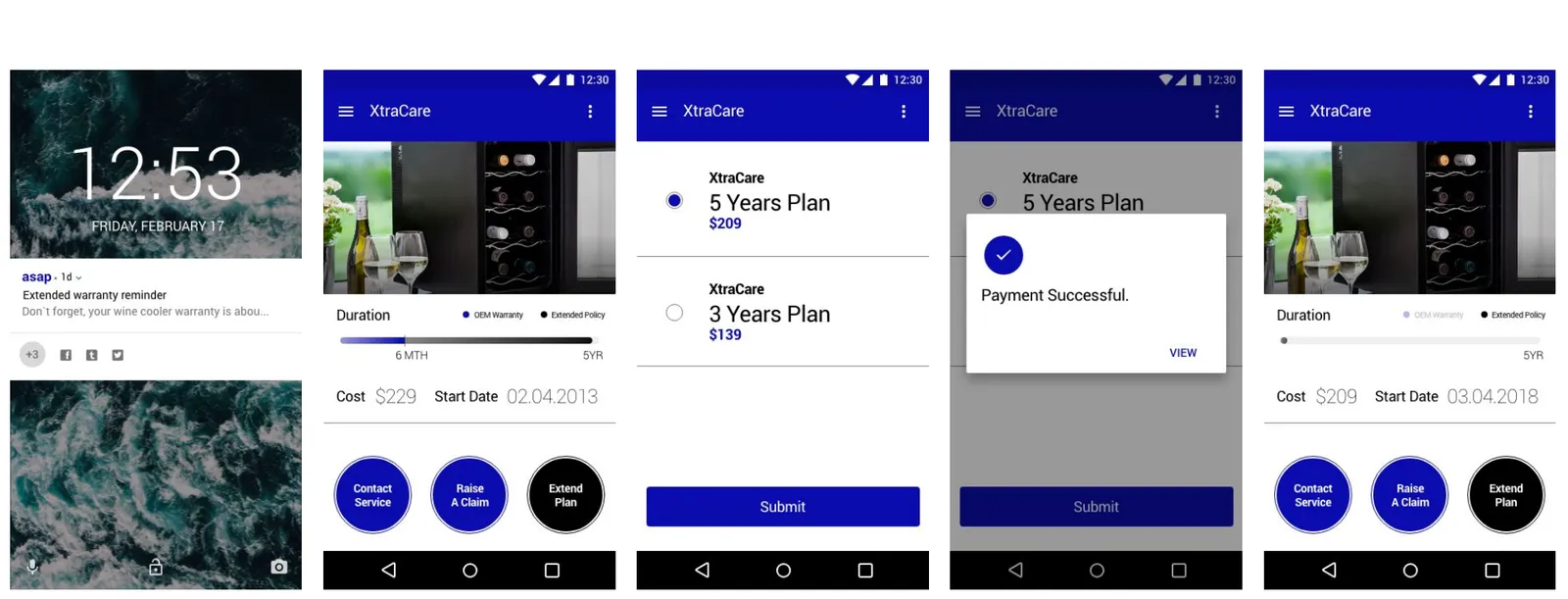
For users whose list of assets grows, a control screen shows current status clearly, paired with the relevant actions.
Managing plans
An easy category-to-product flow. Orientation in the app is key.
Contact network
At least two contact options for any plan: chat or customer service.
Make a claim
A standard claim process, proposed and managed from the app.
Payments
As an after-sales product, the app can process payments.
Multi-ownership
For families, and for different users to claim when relevant.
- Policies dashboard
- Service support
- Concierge operations
- Comparing plans
- Plan monitoring
- Chat bot
- Multi-user plan
- In-app chat